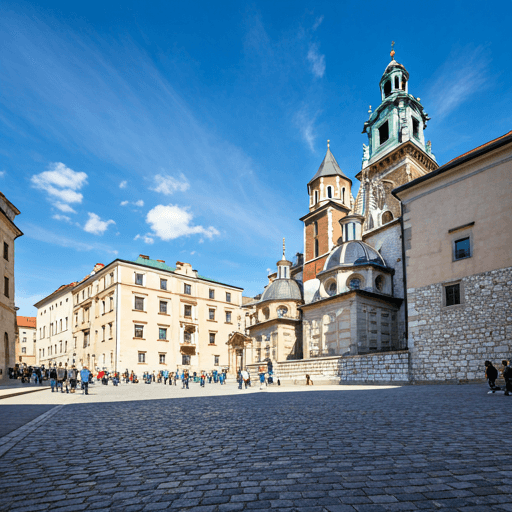
The Soul of the White Eagle
Explore a millennium of academic excellence, artistic resilience, and the enduring cultural spirit of a nation at the heart of Europe.
Vital Statistics.
An academic overview of the pillars that define the Polish state from the dawn of sovereignty to modern intellectual achievement.
Ninth largest in Europe by territory.
966 AD
The Baptism of Poland under Mieszko I, marking the symbolic birth of the Polish state and its integration into Western Christendom.
May 3, 1791
The first modern constitution in Europe and the second in the world, a testament to Enlightenment ideals and democratic spirit.
Nobel Laureates
Recognized in Physics, Chemistry, Literature, and Peace.
Cultural Resilience
Centuries of heritage preserved through architecture and spirit.
17
UNESCO World Heritage Sites, including the Wieliczka Salt Mine and Malbork Castle.
312,696 km²
Total Area
A Millennium in Moments
A curated visual journey through the defining peaks of Polish identity, from 966 AD to modern European integration.
Duke Mieszko I embraces Christianity, aligning the nation with Western Latin civilization.
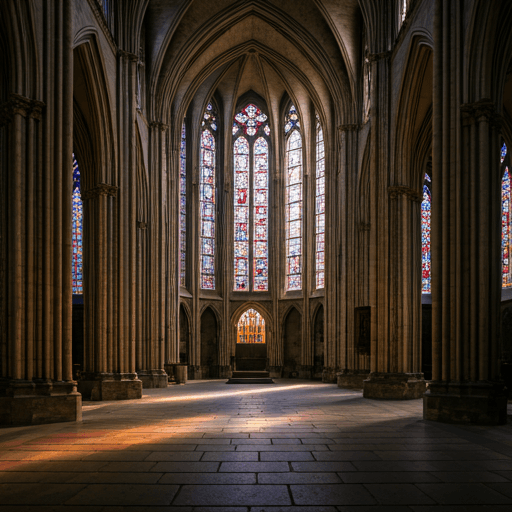
Baptism of Poland
Duke Mieszko I embraces Christianity, aligning the nation with Western Latin civilization.
Coronation
Bolesław Chrobry becomes the first King of Poland, establishing a sovereign kingdom.
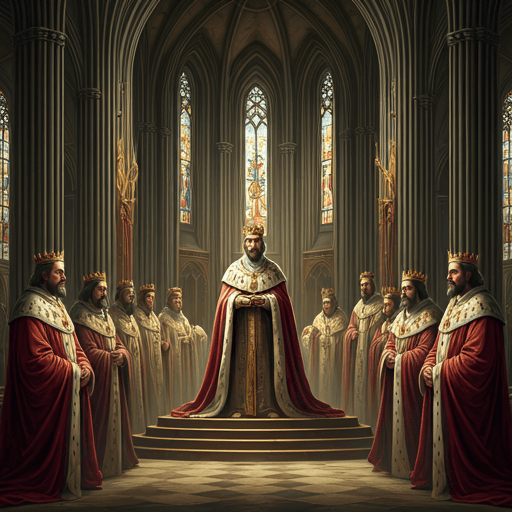
Bolesław Chrobry becomes the first King of Poland, establishing a sovereign kingdom.
Joint Polish-Lithuanian forces defeat the Teutonic Knights at Grunwald.
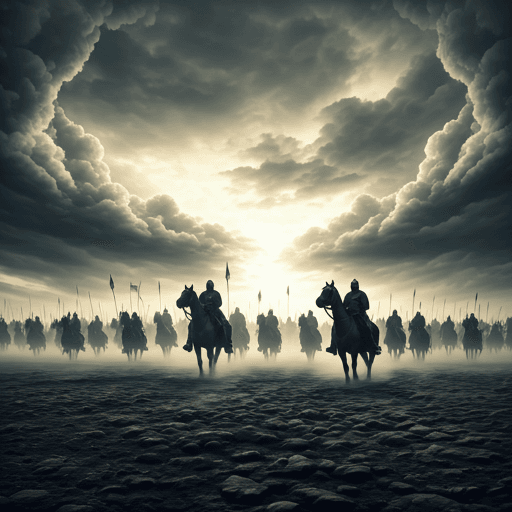
Battle of Grunwald
Joint Polish-Lithuanian forces defeat the Teutonic Knights at Grunwald.
Union of Lublin
Creation of the Polish-Lithuanian Commonwealth, a multi-ethnic state of 'Golden Liberty.'
Creation of the Polish-Lithuanian Commonwealth, a multi-ethnic state of 'Golden Liberty.'
The Constitution of May 3rd: Europe's first modern codified constitution.
Constitution
The Constitution of May 3rd: Europe's first modern codified constitution.
Final Partition
Poland is divided between Russia, Prussia, and Austria, disappearing from maps.
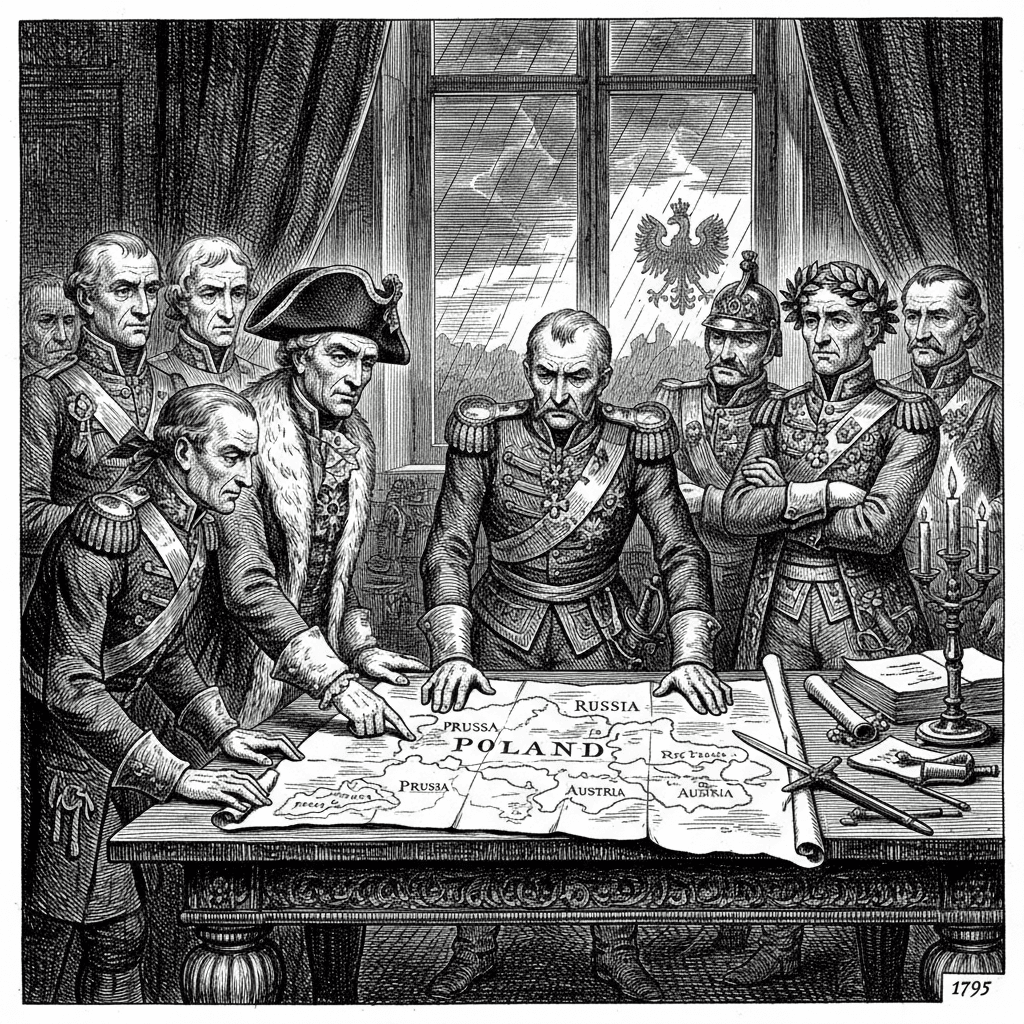
Poland is divided between Russia, Prussia, and Austria, disappearing from maps.
Reclaiming sovereignty as the Second Polish Republic following World War I.
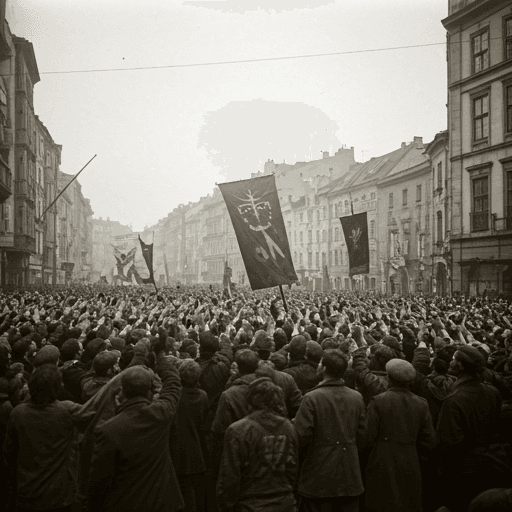
Independence
Reclaiming sovereignty as the Second Polish Republic following World War I.
World War II
Invasion marks the start of WWII, leading to years of immense cultural loss and resistance.
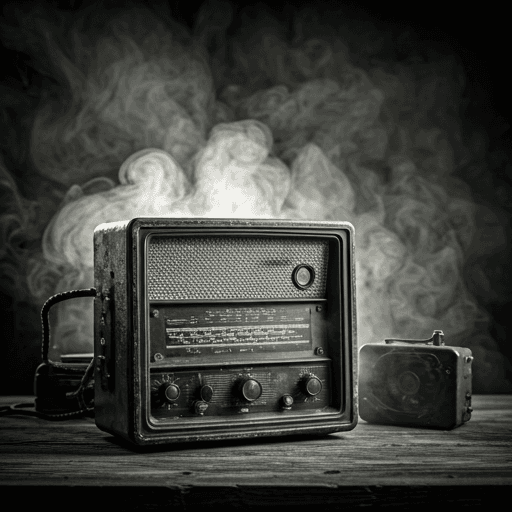
Invasion marks the start of WWII, leading to years of immense cultural loss and resistance.
The birth of Solidarność in Gdańsk, the first independent labor union in a Soviet-bloc country.
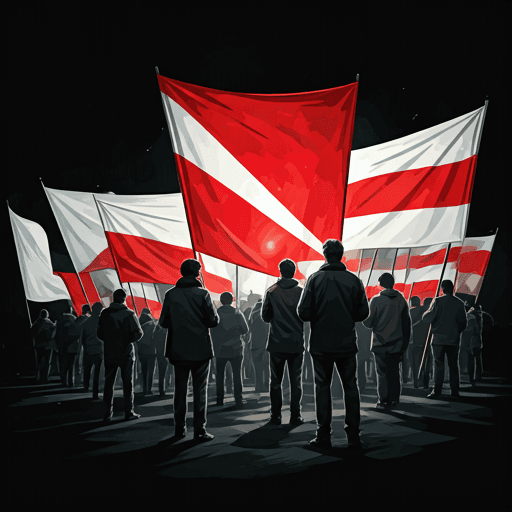
Solidarity
The birth of Solidarność in Gdańsk, the first independent labor union in a Soviet-bloc country.
Fall of Communism
Peaceful transition to democracy through the historic Round Table negotiations.
Peaceful transition to democracy through the historic Round Table negotiations.
Poland joins the European Union, signaling a return to the Western institutional family.
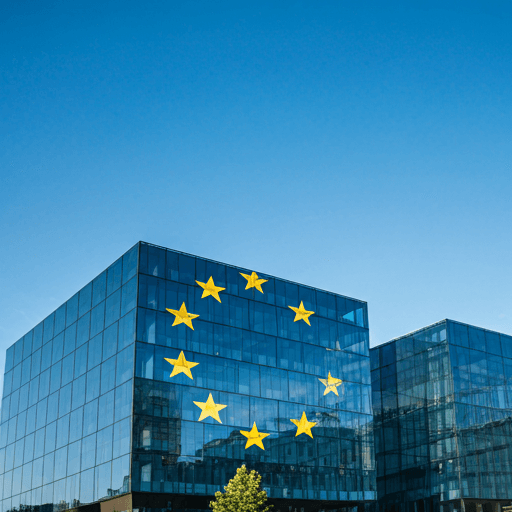
EU Accession
Poland joins the European Union, signaling a return to the Western institutional family.
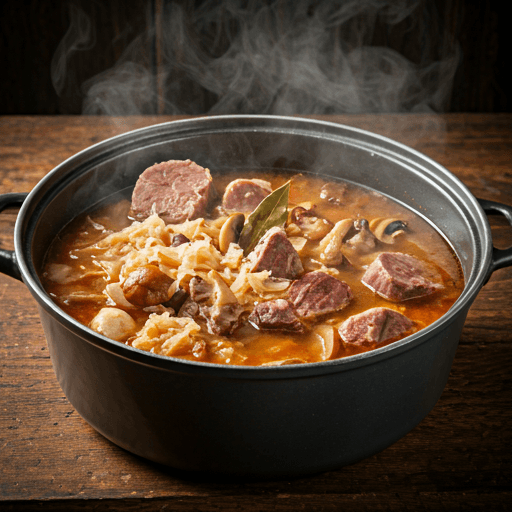
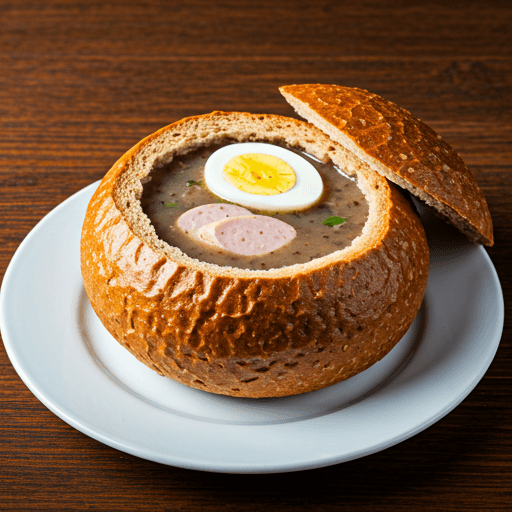
Culinary Soul
Rich, comforting, and deeply tied to the seasonal rhythm of the land.
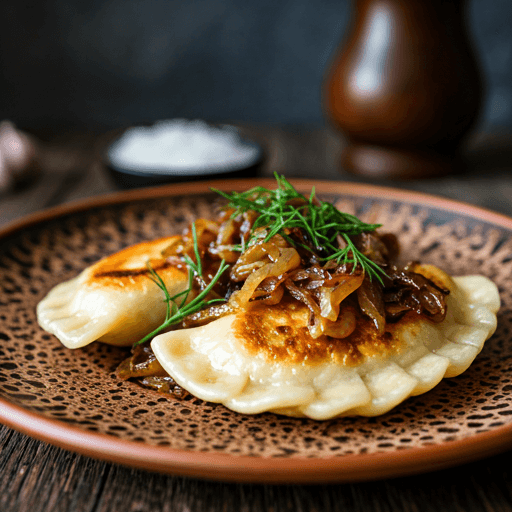
Living Traditions &
Seasonal Rituals
An academic preservation of Poland's ethnographic heartbeat. From the introspective silence of Wigilia to the vibrant cleansing of Marzanna, we document the cyclical pulse of our cultural heritage.
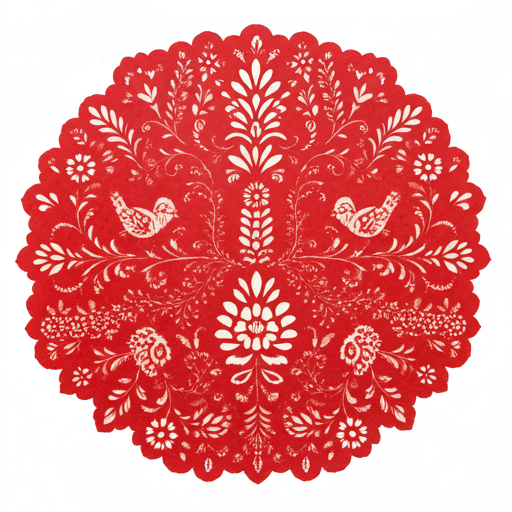
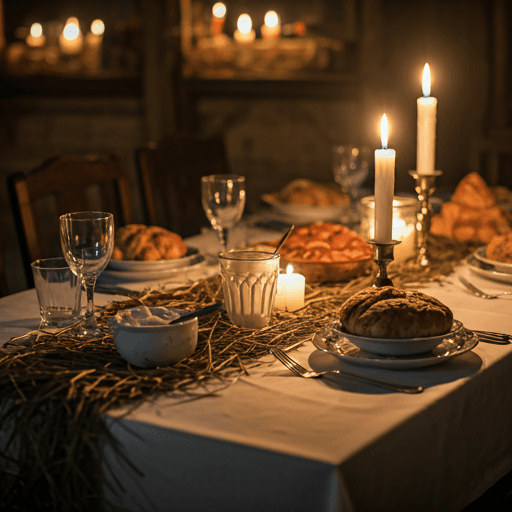
Wigilia
The most solemn and cherished of all Polish traditions. A meatless twelve-course feast beginning with the appearance of the first star, symbolizing the twelve apostles and the months of the year.
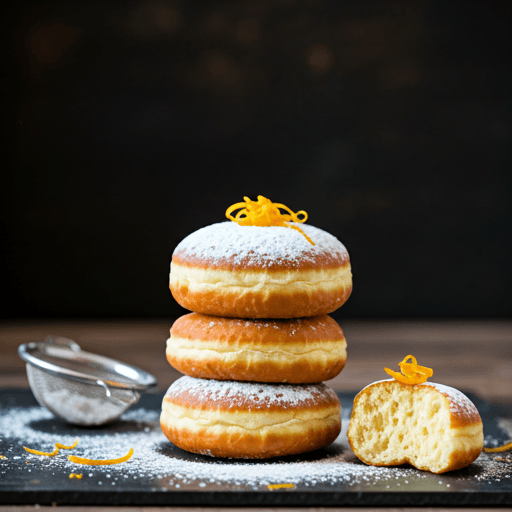
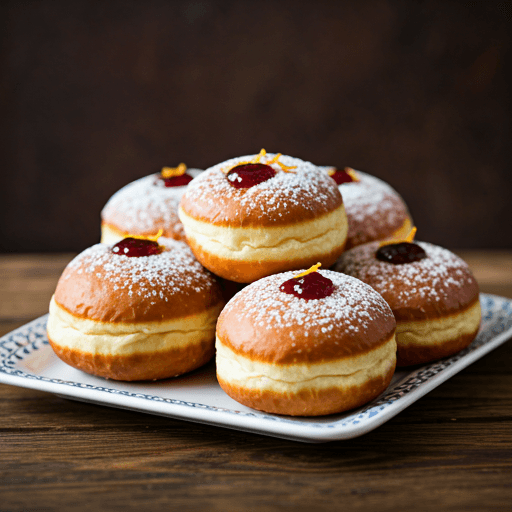
Tłusty Czwartek
"Fat Thursday" marks the final indulgence before the austerity of Lent. A nationwide celebration centered on pączki—rich, deep-fried doughnuts filled with rose jam.
Drowning of Marzanna
An ancient Slavic rite of passage. The effigy of Marzanna, the goddess of winter and death, is burned and drowned in a river to welcome the rebirth of Spring.
Read more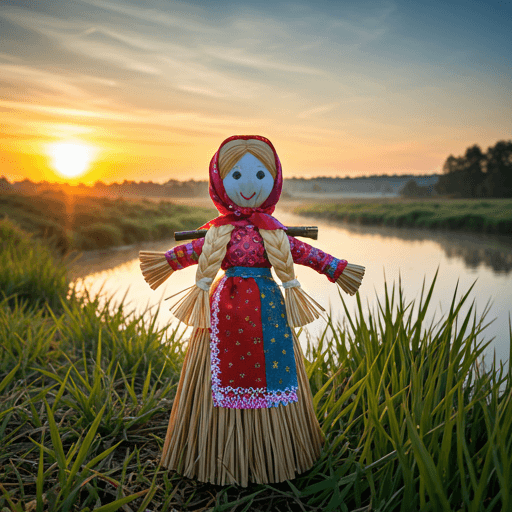
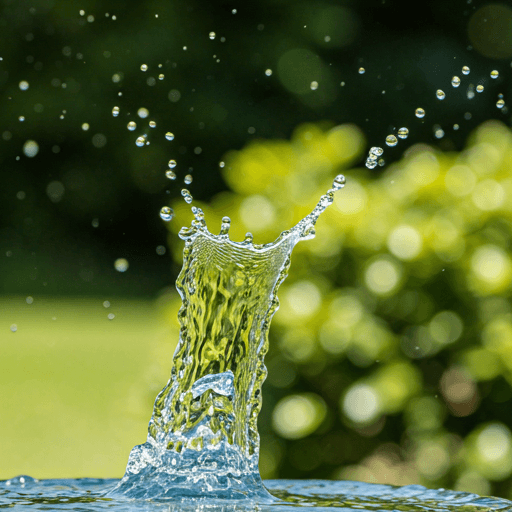
Śmigus-Dyngus
Known as "Wet Monday," this tradition blends pagan purification rites with Christian joy. People playfully douse each other with water, symbolizing health, fertility, and the life-giving essence of Spring.
Read moreGiants of Thought & Art
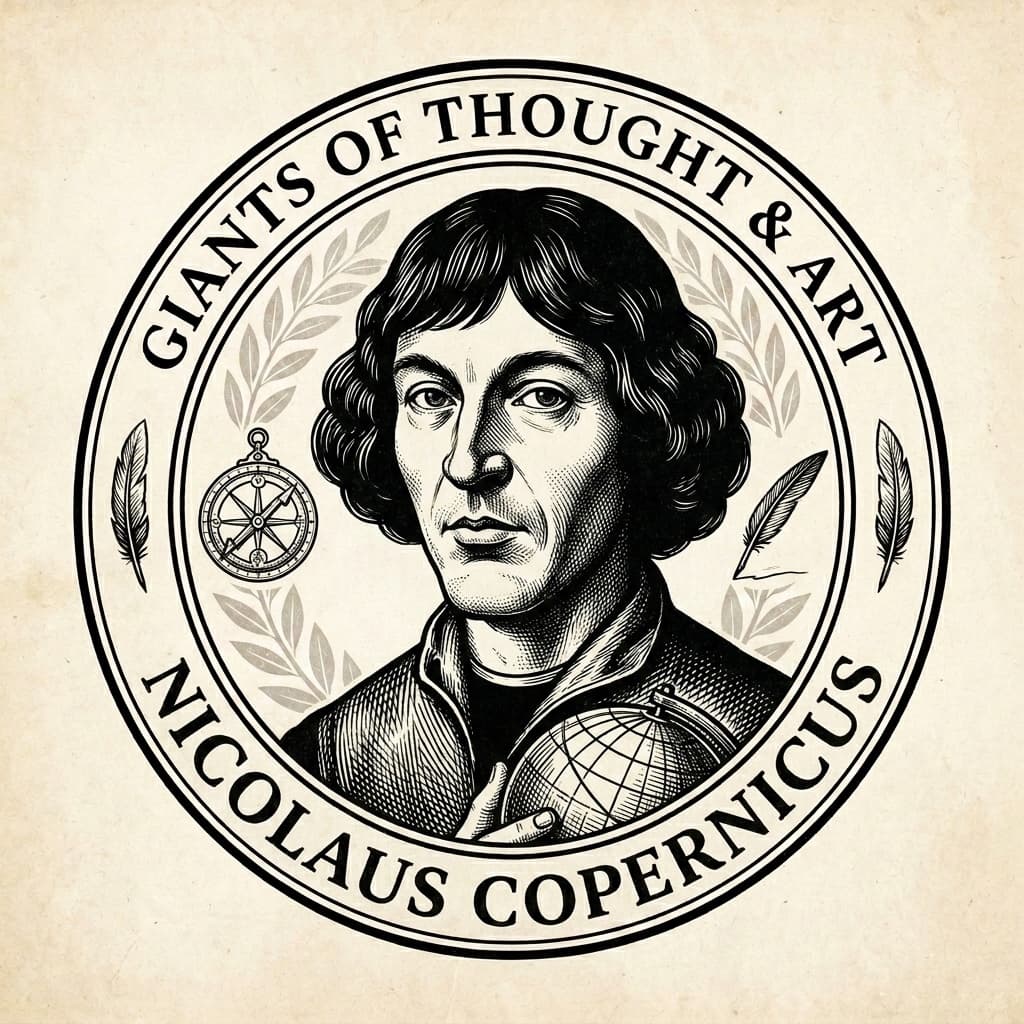
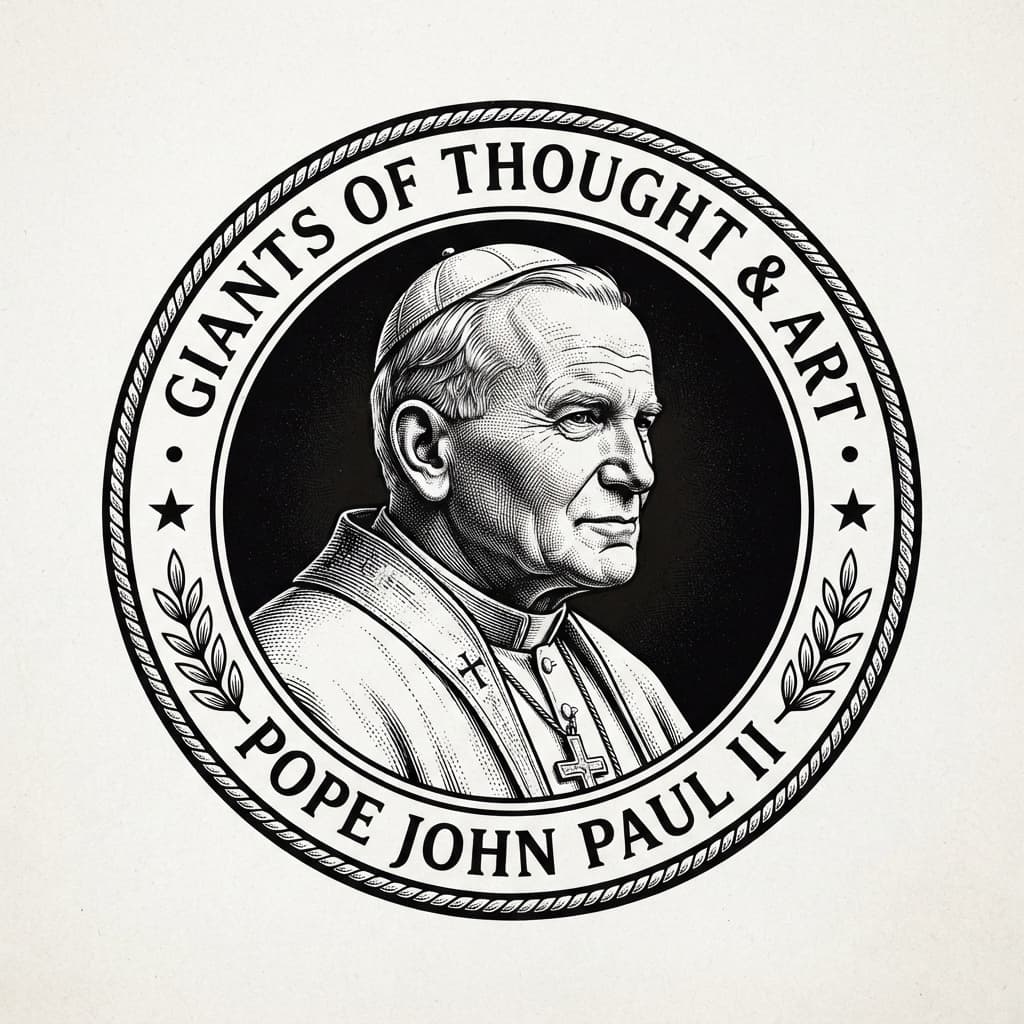
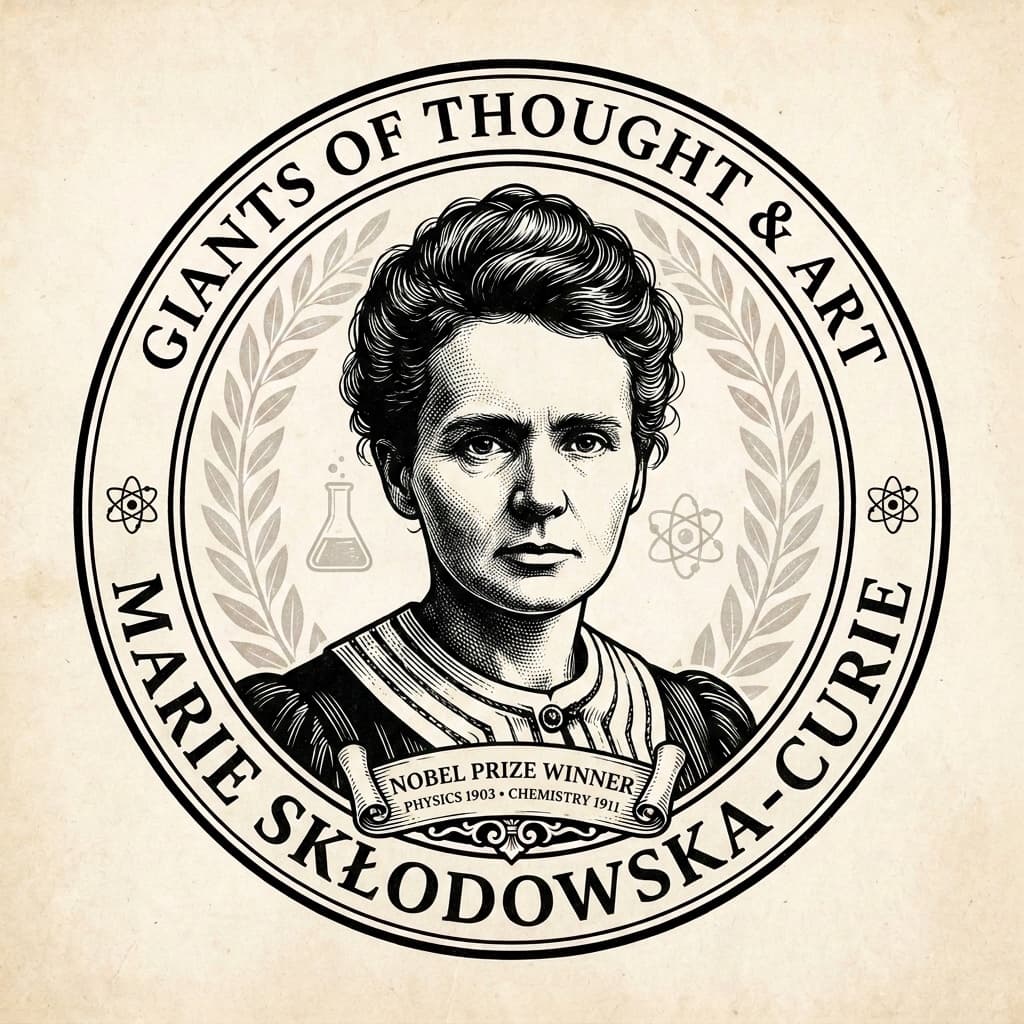
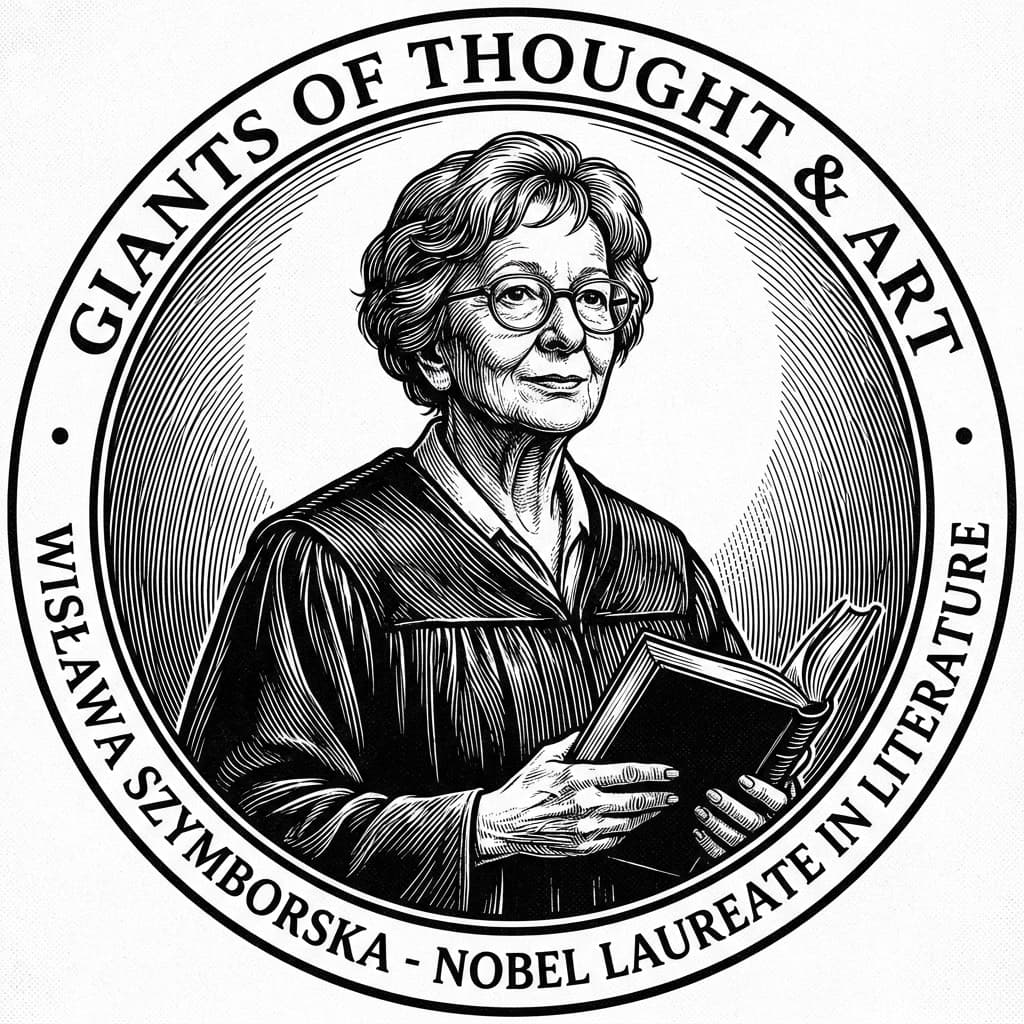
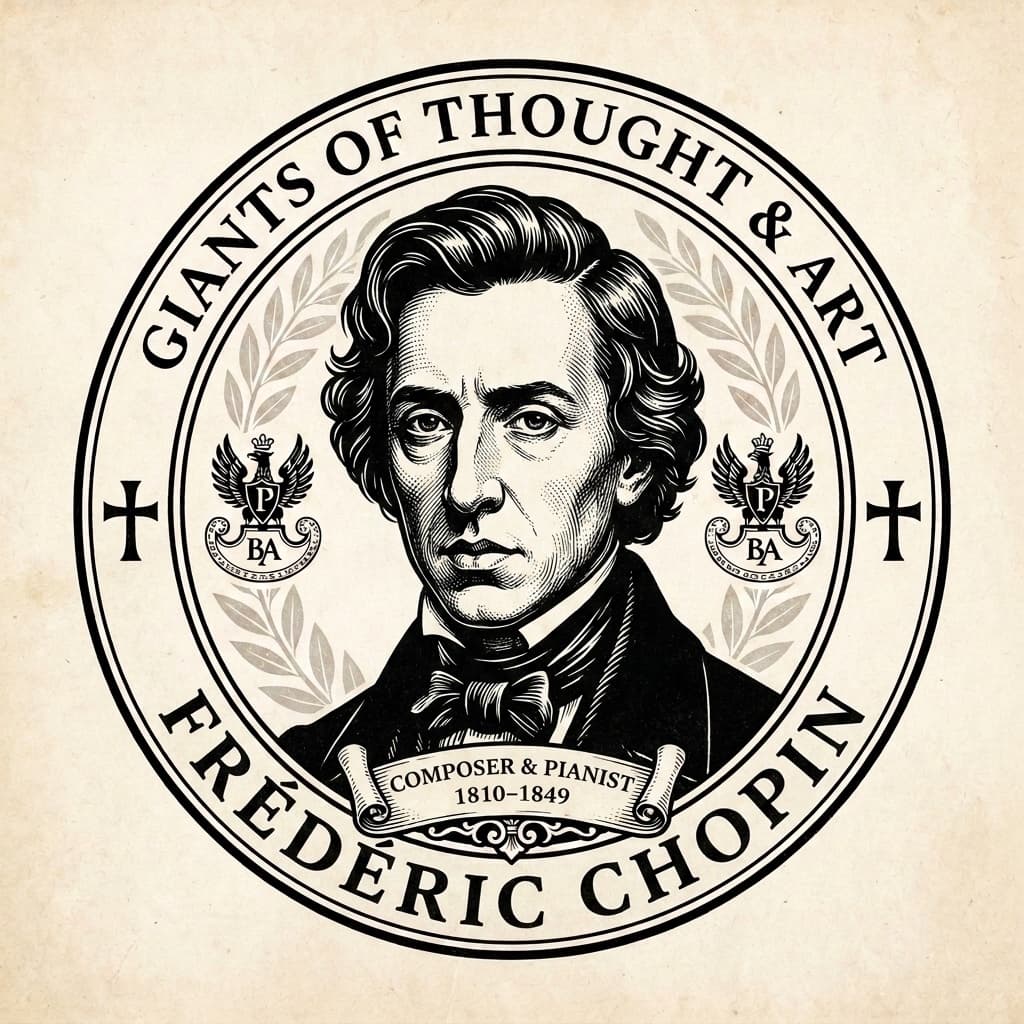
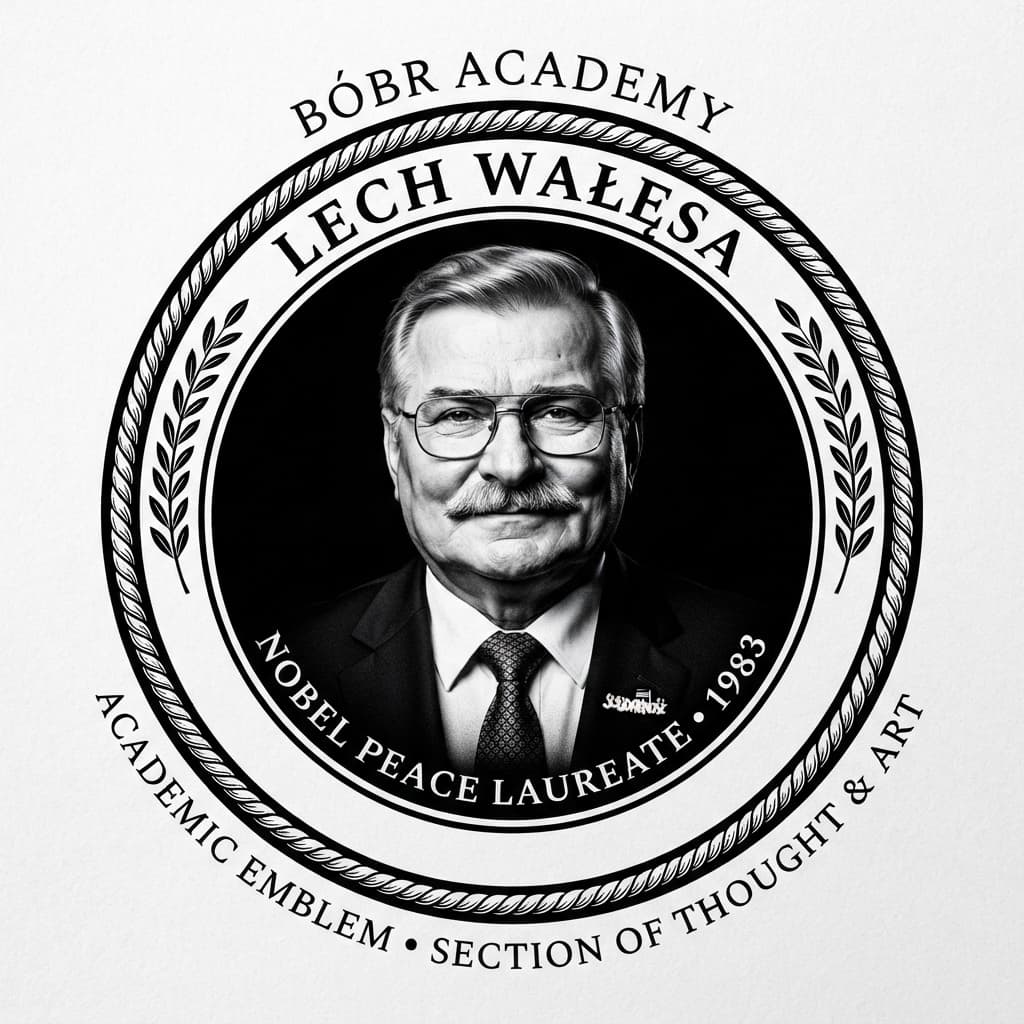
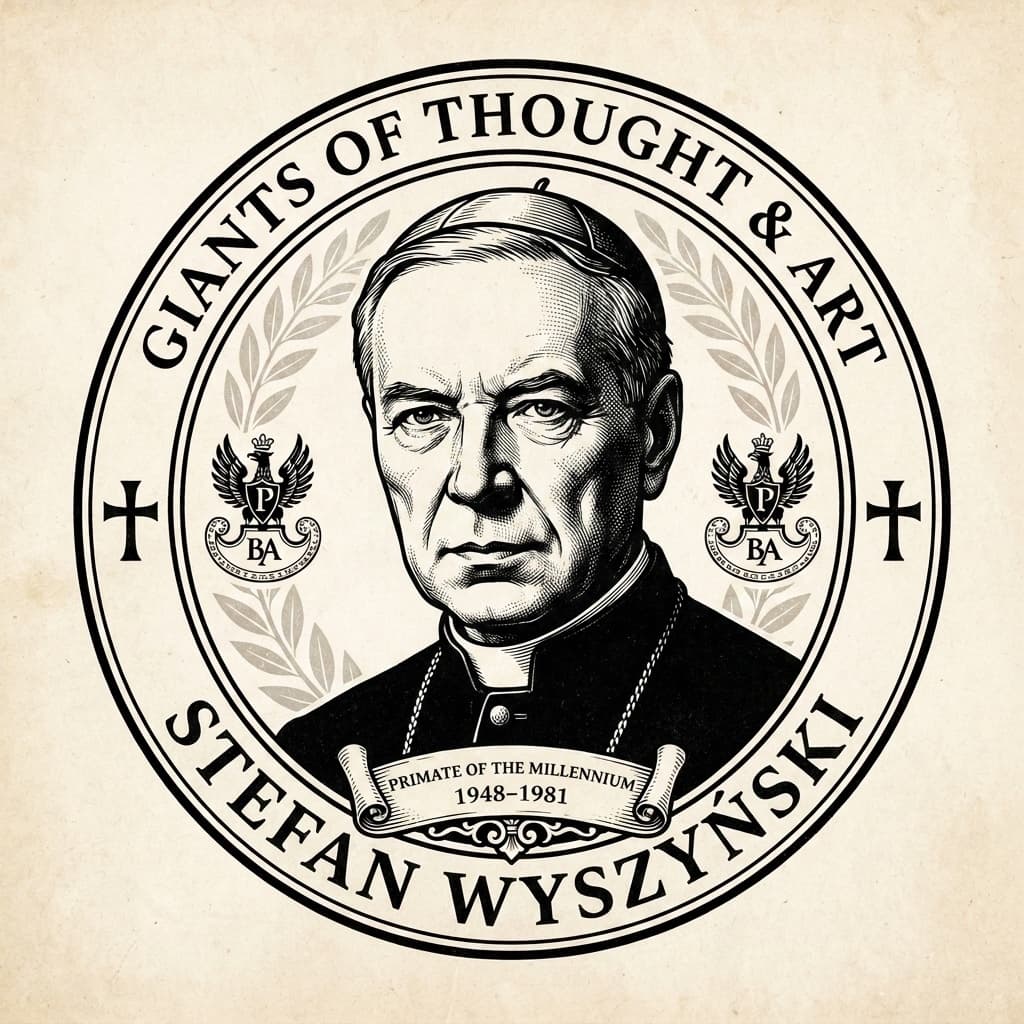
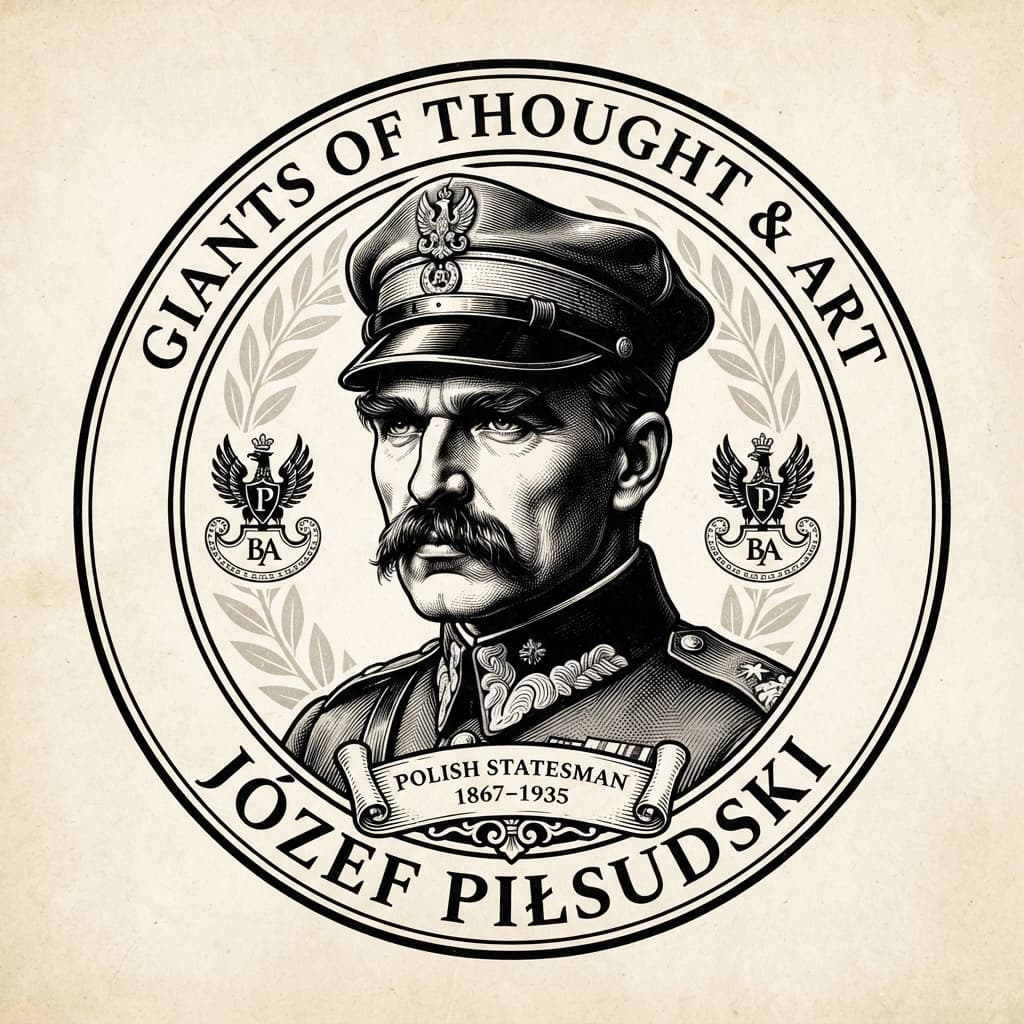
"Chrząszcz brzmi w trzcinie..."
The Polish language is a masterpiece of linguistic complexity. With its unique 'sz', 'cz', 'rz' sounds and 7 grammatical cases, it is considered one of the most challenging — yet most melodic — Slavic tongues.
"Language is the map of a culture. It tells you where its people come from and where they are going."
Urban Landscapes
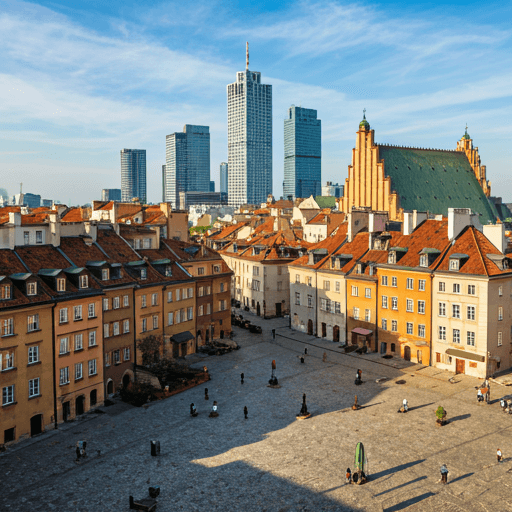
Warsaw
The Phoenix City: A dynamic blend of historic reconstruction and ultra-modern skyscrapers.
Explore city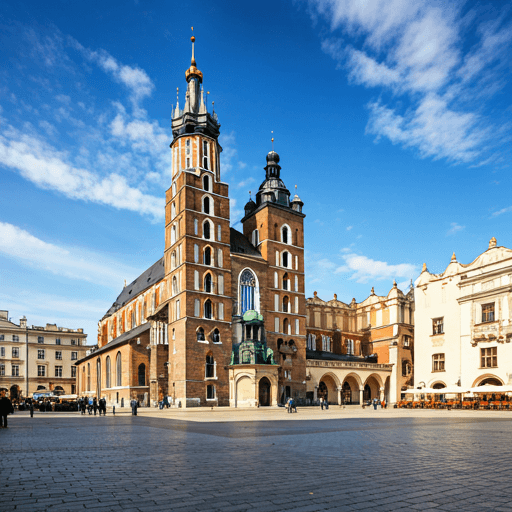
Kraków
The Royal Heart: A medieval masterpiece and UNESCO World Heritage site that escaped the destruction of war.
Explore city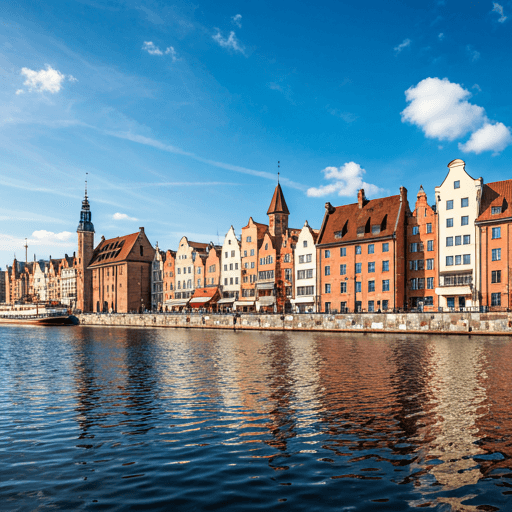
Gdańsk
The Amber Gateway: A maritime jewel on the Baltic coast, famous for its Flemish-style architecture and revolutionary spirit.
Explore city Support this project