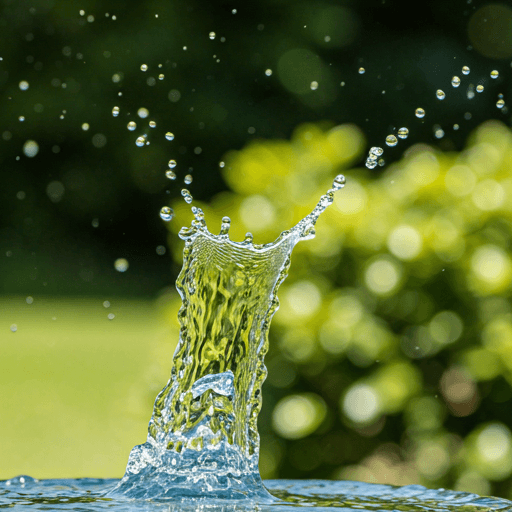
Visitors who step outside in Poland on Easter Monday unwarned learn quickly: this is Lany Poniedziałek, Wet Monday, and every bucket, bottle, and water pistol in the country is armed. Śmigus-Dyngus is a licensed, centuries-old national water fight in which soaking a stranger is not assault but tradition.
Behind the chaos is one of Poland's oldest customs — equal parts pagan spring purification, courtship ritual, and pure mischief — documented, and futilely banned, since the Middle Ages.
Two Customs That Merged
Śmigus and dyngus were originally separate. Śmigus was the soaking and the playful whipping with willow branches — the same pussy-willow catkins blessed on Palm Sunday — both symbolising spring cleansing and renewed life. Dyngus was a ransom: householders bought their way out of a soaking with painted eggs or pastries, and boys went door to door 'collecting'.
The Church objected early and often — the same 1420 Poznań synod that banned Marzanna also forbade dyngus practices. With the usual effect: the two customs simply merged into one amphibious holiday and carried on for another six centuries.
Water as Courtship
In the village version, Easter Monday was pointedly romantic: boys soaked the girls, and the girl drenched most thoroughly could consider herself the most admired in the village. A girl left dry had reason to sulk. In some regions the girls' official revenge came the following day — or, less officially, immediately.
The dousing came with blessings attached: a soaked girl was promised health, beauty, and a swift marriage, and farm wisdom held that a wet Dyngus meant a fertile summer. Buckets were emptied from doorways, wells were weaponised, and occasionally an entire eligible maiden was carried to the village trough.
Wet Monday Today
Today the ritual belongs mostly to children and teenagers, water pistols have replaced willow switches, and passers-by near parks on Easter Monday accept their fate with seasonal fatalism. Small towns still see organised soakings, and fire brigades have been known to contribute a hose.
The custom crossed the Atlantic in style: Buffalo, New York, throws the world's largest Dyngus Day party, with polka bands, pierogi stands, and a parade — a Polish-American carnival that has made 'Dyngus Day' a registered civic institution. In Poland, meanwhile, one rule of thumb endures: on Wet Monday, leave the phone in a plastic bag.
Curious Facts
- The custom was banned by the Poznań synod of 1420 ('Dingus prohibetur') — one of the least effective bans in European history.
- Traditionally, the girl soaked the most on Easter Monday was the one considered most likely to marry soon.
- The willow branches used for playful whipping come from Palm Sunday — Poland's 'palms' are pussy-willow catkins.
- Buffalo, New York, hosts the world's largest Dyngus Day celebration, complete with a polka parade.
- A wet Dyngus was believed to guarantee a fertile summer — dousing was a blessing, not a prank.
 Support this project